Why is Bodrum a strong choice for holiday-home rentals?
What kind of returns do Bodrum holiday-home rentals deliver?
What does a typical Bodrum holiday-home rental include?
Who looks after my holiday home when I'm not staying there?
Which Bodrum areas suit holiday-home rentals best?
How are bookings handled for holiday-home rentals?
What support services are on hand for holiday-home guests?
How does Bodrum Center compare with outlying holiday-home areas?
When is the busiest holiday-home season in Bodrum?
Which Turkish legal rules cover holiday-home rentals?
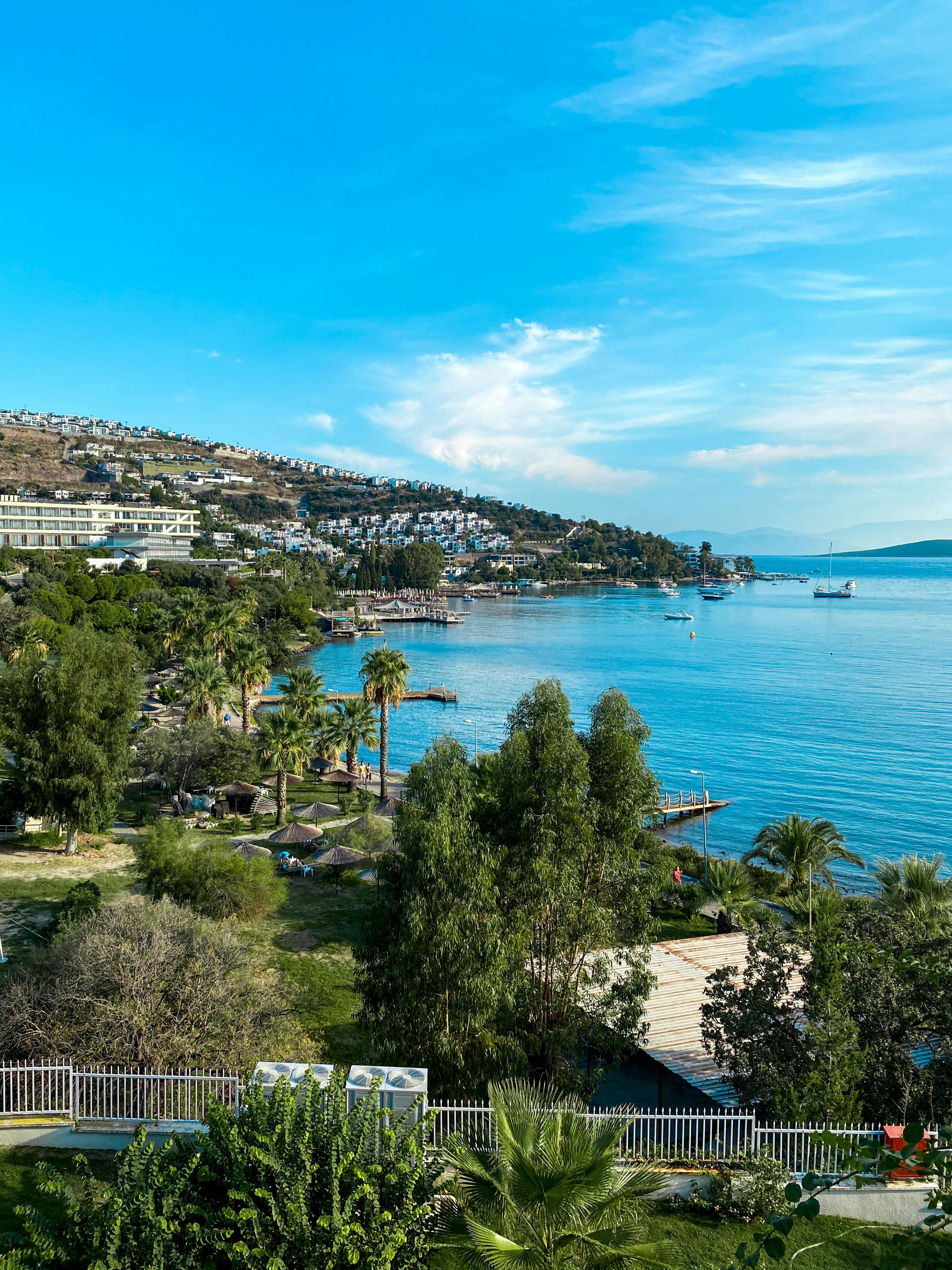
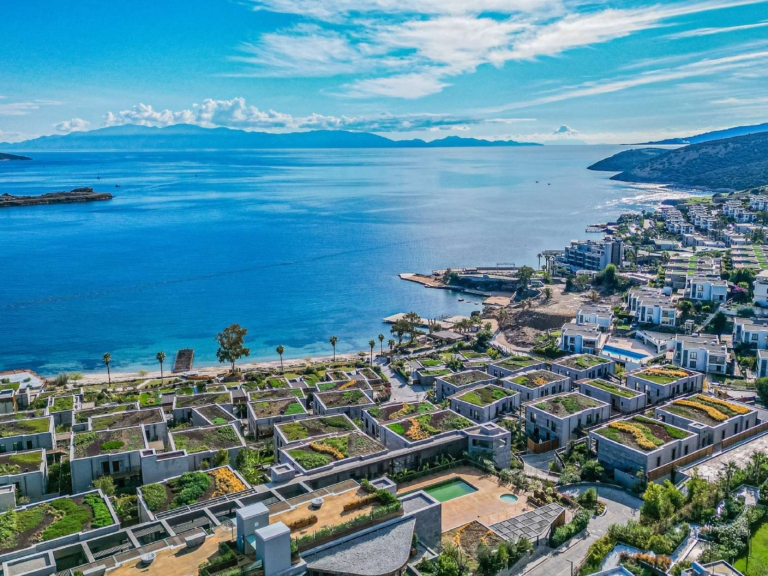
For a holiday home, Bodrum hits a useful intersection of climate, accessibility, and cultural depth. The peninsula's microclimates cover everything from busy marina districts to quiet bays, so holiday home owners and their guests find variety within a short drive. European airport connectivity makes weekend and longer holiday trips practical, and the local hospitality infrastructure means a holiday home gets supported year-round rather than just in peak summer.
Bodrum holiday home rentals typically generate 6-12% annual yields when positioned well, with peak demand running through July-August and steady shoulder-month bookings on either side. Yield depends on location, finish quality, holiday-friendly amenities (private pool, beach proximity, multiple bedrooms), and professional management. Homes with strong family or group appeal — multiple bedrooms, outdoor living spaces, walking distance to beaches — sustain higher occupancy across the full season.
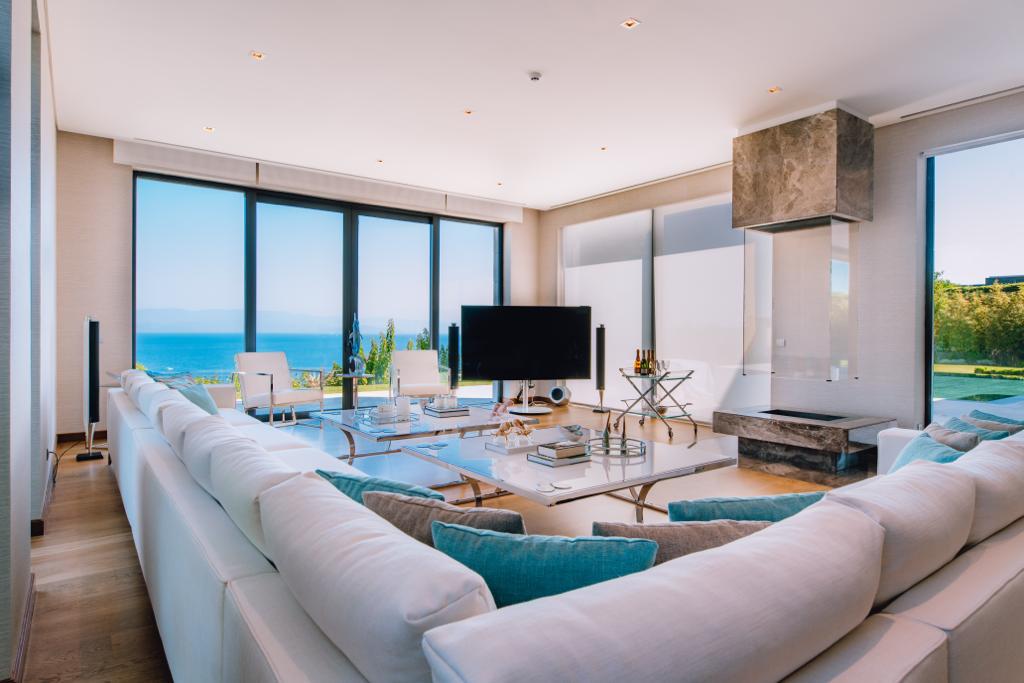
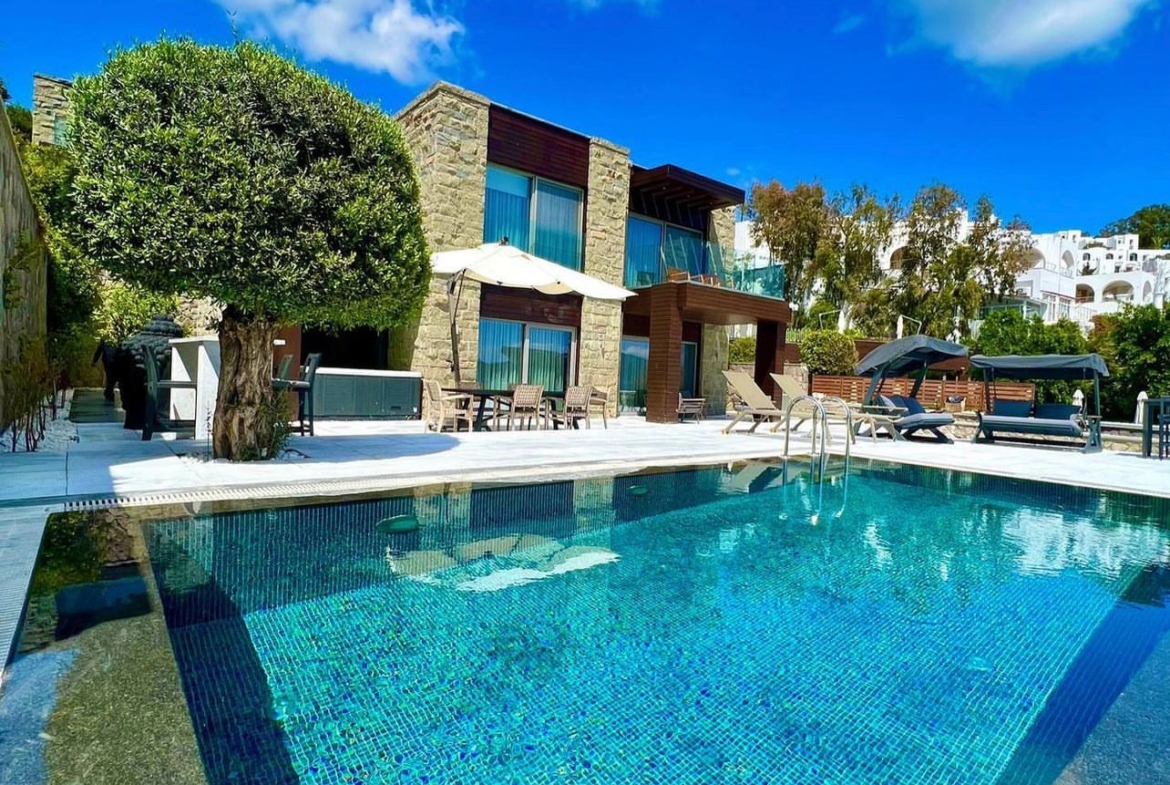
Bodrum holiday home rentals are fully furnished with equipped kitchens, linens, and basic utilities. Premium holiday homes typically include private pools, gardens, air conditioning, Wi-Fi, and sometimes housekeeping. Pool maintenance, gardening, and emergency support are usually included in the rate. Add-on services include airport transfers, grocery pre-stocking, in-villa chef bookings, and concierge support. Property insurance and routine maintenance run throughout the stay without additional cost.
Holiday home owners living abroad usually contract a local management company for the operational side: guest communications, check-ins, cleaning, maintenance, and emergency support. Marketing runs across multiple booking platforms; bookings, calendars, and financial reporting are consolidated by the manager. Most also handle seasonal preparation, utility management, and any repair coordination. The net effect is a hands-off ownership model — the home generates rental income while the owner lives elsewhere.
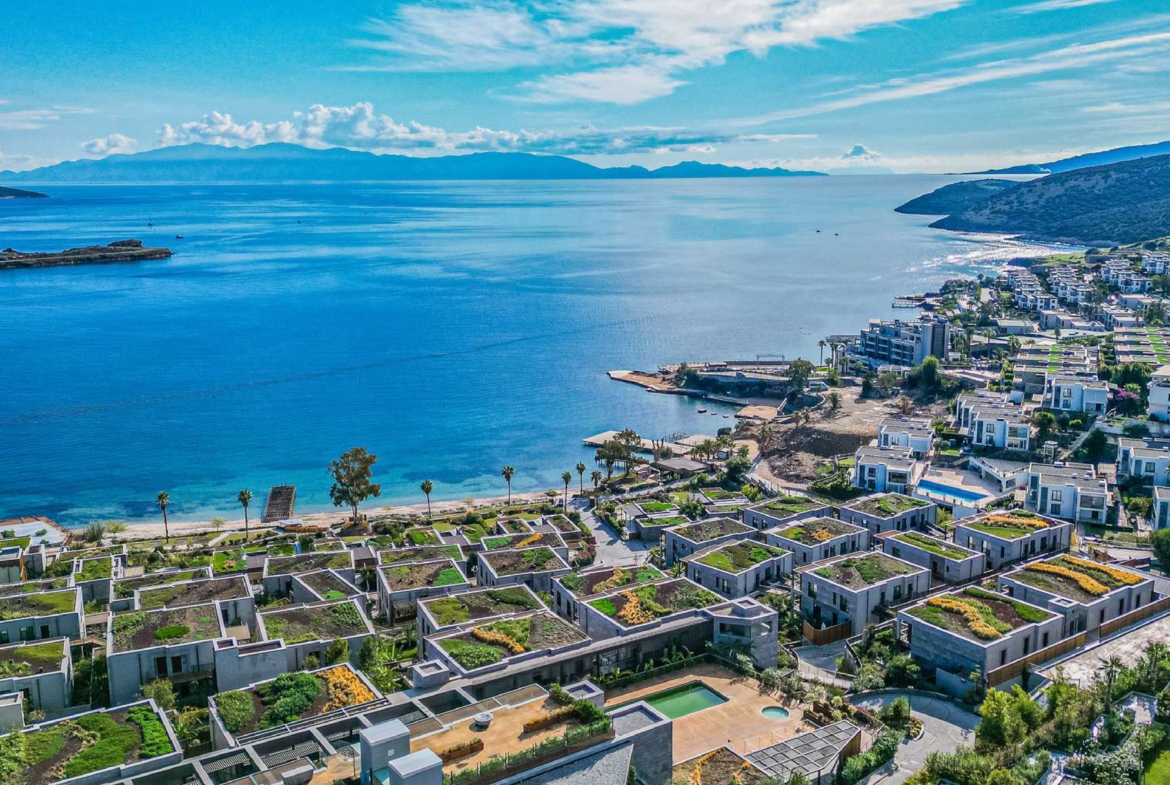
For holiday homes, the choice depends on the kind of holiday: Bodrum Center offers walkable nightlife and restaurants; Yalikavak suits luxury holidaymakers wanting marina amenities; Turkbuku attracts beach-club holiday crowds; Gumusluk delivers quieter, more authentic village stays; Bitez and Ortakent provide family-friendly beaches with better holiday value. The best holiday home location is the one matched to the guest profile the owner wants to attract — each area has a distinct holiday character.
Holiday-home bookings work to a weekly minimum during peak season (July-August), with shoulder months flexible for shorter stays. Most summer enquiries arrive in February and March. A 25-50% deposit secures the dates, with the balance due before arrival. Pricing tiers follow the holiday calendar: peak summer at the top, spring and autumn moderate, winter at the lowest rates but with limited holiday-home demand. Professional management runs the pricing strategy so occupancy and nightly rate stay properly balanced across the season.
Holiday-home support typically covers everything a remote owner can't handle themselves: property management, guest services, maintenance, legal and tax advice, marketing and booking workflow, financial reporting, and emergency response. Bilingual coverage handles international owners and guests. Beyond the basics, holiday-home owners get access to interior design support, renovation project management, insurance coordination, and investment advisory. Local supplier networks know how to maintain holiday-home stock to proper vacation-rental standards.
Bodrum Center offers urban amenities, historical sites, and active nightlife — drawing younger holiday demographics on shorter stays. Outlying coastal areas like Yalikavak, Turkbuku, and Gumusluk deliver more secluded holiday experiences at higher nightly rates, though occupancy can run lower. Hillside holiday-home positions provide privacy and views but typically require a car. Beachfront holiday homes command premium pricing with sharp seasonal swings. Each location serves a different holiday-home rental segment, with different yield profiles and management demands.
For holiday homes, peak season runs mid-June through early September, with July-August at the top of the rate card and at peak occupancy. The shoulder months (May-June and September-October) offer the best holiday-home value with pleasant weather and far fewer crowds. Spring (April-May) attracts holiday visitors for mild weather and cultural activity. Winter sees very little holiday-home rental beyond the New Year period. Understanding this seasonal pattern is what makes the holiday-home rental calendar revenue-positive year on year.
Holiday-home rental operators in Turkey must obtain tourism operation licences from the Ministry of Tourism. Holiday properties require safety certifications, proper insurance coverage, and compliance with local zoning. Tax obligations include income tax on holiday rental earnings and potential VAT registration once the property crosses higher-revenue thresholds. Municipal rules may apply on noise, parking, and guest capacity — particularly in residential holiday-home areas. Professional management companies typically handle the full compliance load on behalf of holiday-home owners.