What makes Bodrum ideal for seasonal villa rentals?
What rental yields can I expect from my Bodrum villa?
What's included in a typical villa rental in Bodrum?
How do I manage my villa when I'm not in Bodrum?
What are the best areas in Bodrum for rental properties?
How do seasonal bookings work for villa rentals?
What support services are available for villa owners?
What's the difference between Bodrum Center and outlying areas?
When is the peak rental season in Bodrum?
What legal requirements apply to villa rentals in Turkey?
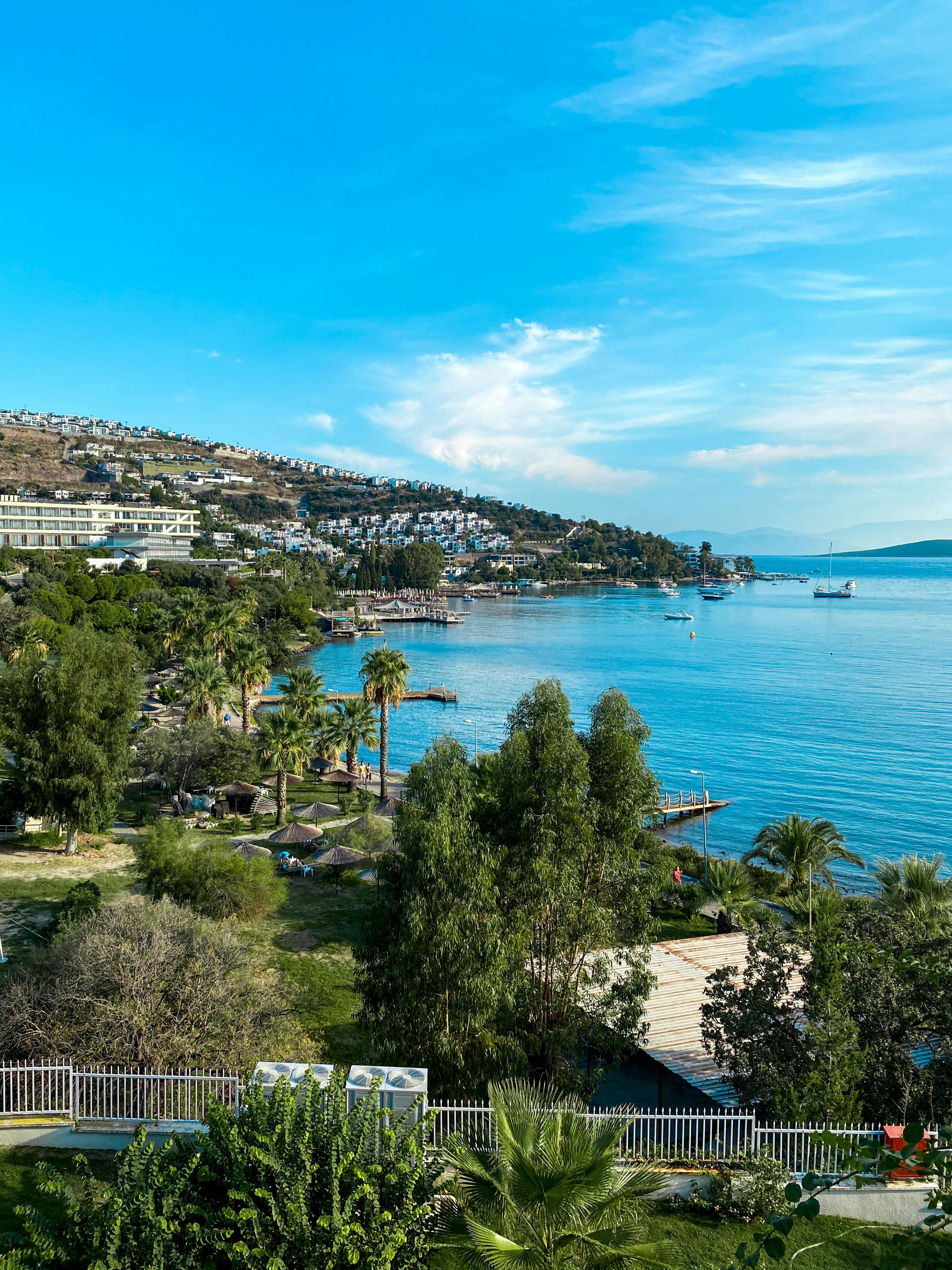
Bodrum's seasonal rental market works because the season itself is unusually long — April through November — and the destination supports it with established infrastructure rather than just peak-summer capacity. The peninsula's microclimate variation from busy marina districts to secluded bays gives seasonal guests reasons to choose between bays. Excellent European airport connectivity keeps both short-term seasonal trips and longer stays accessible from major source markets.
Seasonal Bodrum villas typically achieve 6-12% annual rental yields, with premium waterfront properties often exceeding the top of that range through peak summer. The long April-November season is what makes seasonal yield work — both peak months and shoulder months contribute. Yield drivers include pool, sea view, beach proximity, professional management, and the kind of broad-appeal positioning that pulls bookings across both peak and shoulder months of the seasonal calendar.
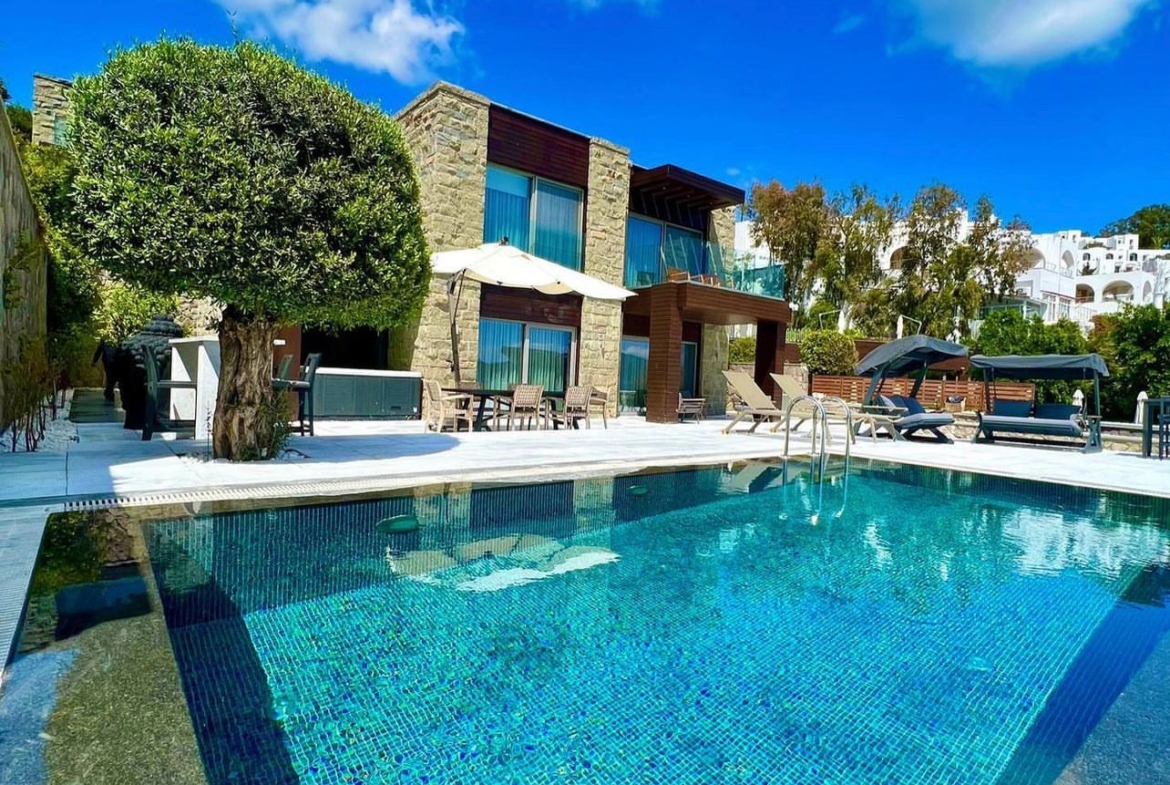
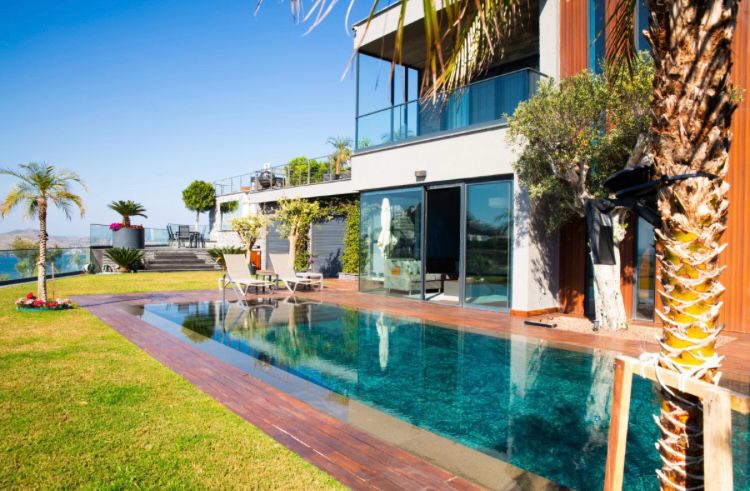
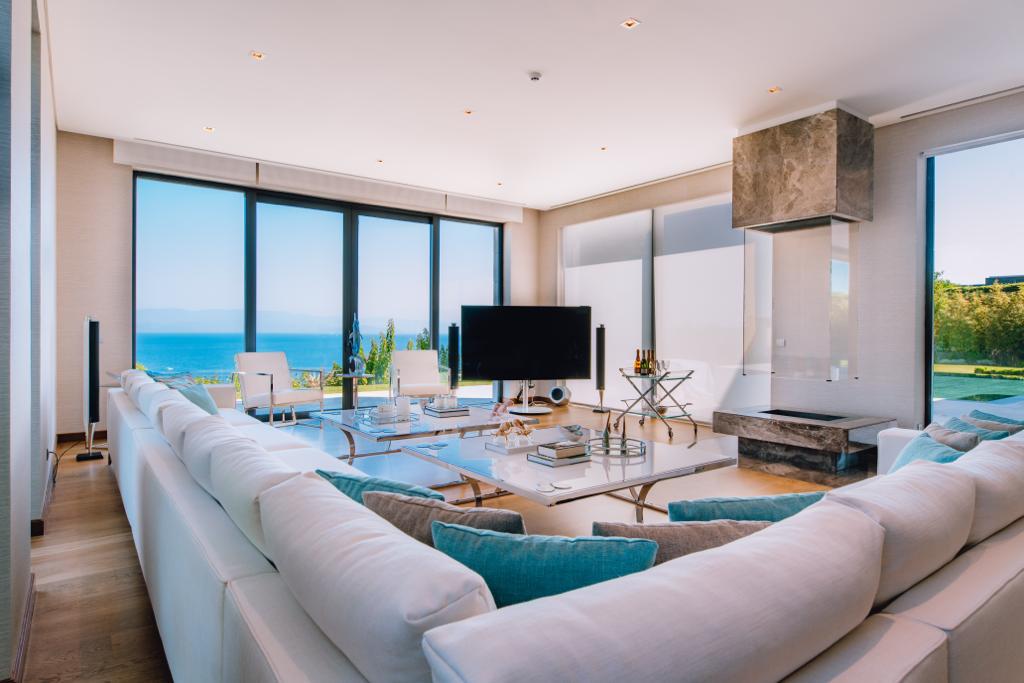
Seasonal villa rentals in Bodrum are turn-key: fully furnished with equipped kitchens, linens, utilities, air conditioning, and Wi-Fi all included. Premium properties layer in private pools, gardens, and housekeeping. Pool maintenance, gardening, and 24/7 emergency support are standard. Optional services include airport transfers, grocery pre-stocking, chef bookings, and concierge support. Insurance and routine maintenance run through the seasonal stay at no extra cost.
Seasonal villa owners contract professional managers to handle the full April-November operational cycle: guest communications, check-ins, cleaning, pool and garden maintenance, and 24/7 support. Marketing runs across major platforms; booking and calendar management track the long seasonal window. Financial reporting is monthly across the season. Seasonal opening (pre-April) and closing (post-November) work — utilities, storm-proofing, deep cleaning — are part of the standard service offering.
For seasonal villa rentals, Yalikavak attracts luxury seekers, Turkbuku draws beach-club and celebrity-adjacent guests, Gumusluk offers authentic charm and sunsets, and Bitez and Ortakent deliver family-friendly value. Bodrum Center provides urban amenities and marina access but competes harder on rate. Each area has distinct guest demographics, which affects both seasonal rate and the booking pattern across the April-November window — peak July-August intensifies the differences between areas.
Bookings typically operate on weekly minimum stays during peak season (July-August) with flexible shorter stays in shoulder months. Advance bookings often start in February-March for summer season. Payment usually requires 25-50% deposit with balance due before arrival. Seasonal pricing tiers reflect demand: peak summer commands highest rates, spring and fall offer moderate pricing, while winter provides the lowest rates but limited demand. Professional management ensures optimal pricing strategy and occupancy rates.
Comprehensive support includes property management, guest services, maintenance teams, legal and tax advisory, marketing and booking management, financial reporting, and emergency response. Many companies offer bilingual support for international owners and guests. Additional services include interior design consultation, renovation project management, insurance coordination, and investment advisory. Local networks provide reliable contractors, suppliers, and service providers familiar with luxury vacation rental standards.
Bodrum Center provides urban amenities, historical sites, and vibrant nightlife, attracting younger demographics and shorter stays. Outlying coastal areas like Yalikavak, Turkbuku, and Gumusluk offer more secluded, luxury experiences with higher nightly rates but potentially lower occupancy. Hillside locations provide privacy and views but may require car access. Beachfront properties command premium pricing but have seasonal variations. Each location serves different market segments with varying investment returns and management requirements.
Peak season runs from mid-June through early September, with July-August commanding highest rates and occupancy. Shoulder seasons (May-June, September-October) offer good returns with pleasant weather and fewer crowds. Spring (April-May) attracts visitors for mild weather and cultural activities. Winter months see minimal rental activity except for New Year period. Understanding seasonal patterns is crucial for maximizing revenue and planning maintenance periods during low-demand months.
Villa rental operators must obtain tourism operation licenses from the Ministry of Tourism. Properties require safety certifications, proper insurance coverage, and compliance with local zoning regulations. Tax obligations include income tax on rental earnings and potential VAT registration for higher revenue properties. Municipal regulations may apply regarding noise, parking, and guest capacity. Professional management companies typically handle compliance requirements, ensuring legal operation and protecting both owners and guests.